<!DOCTYPE html>
The Real Cost of Ignoring a Strange Noise from Your AC | Glendale, CA
The Real Cost of Ignoring a Strange Noise from Your AC
Glendale, CA homeowners hear it every summer. A click from the condenser in Chevy Chase Canyon. A metallic rattle near Brand Boulevard. A high-pitched squeal from a Rossmoyne attic. Strange sounds start small. The costs do not. In a city that sees triple-digit heat and dry Santa Ana winds, a noisy air conditioner is a warning that parts are wearing, airflow is restricted, or the refrigerant circuit is under stress. Ignoring that noise in Glendale can turn an affordable repair into a compressor replacement, ceiling water damage, or a mid-heatwave outage.
What that noise usually means in a Glendale system
Not all noises carry the same risk. The local climate shapes the failure patterns. Dust from the Verdugo Mountains lodges in condenser fins. Wildfire smoke settles in MERV 11 filters and chokes return air. Heat waves push head pressure to the limit on package units that sit on flat rooftops along Colorado Street. Each stress shows up in sound first, then in performance, then in cost.
A grinding tone from the outdoor unit near the Americana at Brand often points to a failing condenser fan motor or a dry bearing. Left to run, that motor overheats, trips the internal thermal protector, and starves the compressor of airflow. Discharge pressure climbs. The contactor chatters. The start capacitor bloats. The repair now touches three parts instead of one.
A squeal from an indoor air handler in Adams Hill usually signals a worn blower motor bearing or a slipping belt on an older furnace with a belt drive. As the blower falters, evaporator coil temperature drops below freezing. Ice forms on the coil and in the drain pan. The condensate line clogs. Water finds drywall. That puddle is the most expensive part of the job if it ruins a ceiling in a 1920s Verdugo Woodlands home with original plaster.
Rapid clicking at start-up in a Brockmont backyard may be a pitted contactor that arcs under load. It can also be a hard-starting compressor that draws locked-rotor amps at each try. Either way, energy spikes and utility bills in Glendale rise during peak tier rates. A ten-minute swap of a contactor in spring is cheap. Replacing a compressor mid-July is not.
How small noises escalate to big invoices
Green Planet Heating and Air tracks the failure chain in Glendale systems. The team sees the same sequence in summer calls across 91206 and 91208. First a sound. Then a small performance dip. Then electrical stress. Then refrigerant or water damage. The time window between the first symptom and a no-cooling emergency is short when Glendale hits 100 degrees after noon and cools slowly in the valley bowl.
A blower bearing starts to squeal. The motor draws extra amperage. The blower speed drops ten to fifteen percent. Airflow falls below 350 CFM per ton across the evaporator. Coil temperature drops. The TXV hunts. Superheat swings. Ice forms on the first row of tubes. Return air warms room by room. The thermostat calls longer. Short cycling starts. The homeowner hears more clicking and thinks it is normal. It is not. The start capacitor overheats during the rapid on-off pattern and fails open. Now the system will not start. The repair grew from a motor lubrication or belt tension job into a motor and capacitor replacement with thaw time, evacuation, and a drain pan cleaning to remove ice melt debris.
Another common path sits outside near Riverside Rancho. Leaves and lint coat the condenser. A faint rattle starts from a loose top grille. Head pressure rises twenty to thirty percent above design. The compressor runs hot. Oil thins. Valve plates wear. The noise shifts to a deeper hum. By mid-season, the unit leaks at a flare or a braze joint due to thermal expansion and vibration. Now the repair adds refrigerant recovery, nitrogen pressure test, leak repair, vacuum down to below 500 microns, and a precise recharge by weight. The original loose grille could have been tightened in five minutes.
Why Glendale’s microclimates punish noisy systems faster
Brand Boulevard and the Glendale Galleria area run hotter than shaded canyons. Roof package units on office buildings near Central Avenue stay in radiant heat all day. Homes in Glenoaks Canyon see wind-driven dust that packs condenser fins. Chevy Chase Canyon has steep lots and long linesets that test charge accuracy. The Verdugo Mountains amplify Santa Ana winds that push debris into outdoor units and reduce fan performance.
These conditions create edge cases. A variable speed heat pump in Montecito Park might pass a basic start test, yet trip on high pressure during an afternoon gust that blankets the coil. A dual-fuel system near Brand Park might squeal due to a draft-induced vibration in the furnace compartment that comes and goes with wind direction. A ductless mini-split on an Adams Hill balcony may click from thermal expansion of the mounting brackets as the sun hits the wall. Each scenario benefits from a local tech who knows the wind, dust, and sun patterns of Glendale, CA and who sets clearances, vibration pads, and controls to match.
What strange noises cost in real Glendale dollars
Costs vary by brand, model, and condition. Trends stay consistent across Glendale zip codes 91201 through 91210.
Ignoring a blower bearing squeal can add two to three hours of labor and a new blower motor. At current market rates, that can run into the high hundreds. Add water damage from a clogged condensate line and drywall repair takes it higher. A contactor chatter that goes unchecked often burns contact points and overheats the start capacitor. Replacing both is still modest. Let it progress to compressor hard failure and the ticket climbs into the thousands. On older central air conditioners from the early 2000s near Rossmoyne, a failed compressor sometimes triggers the decision point between Glendale ac repair and full AC installation under SEER2 upgrades.
Wildfire season brings a unique cost. MERV 13 filtration helps indoor air quality, yet it loads faster under smoke. High static pressure leads to blower noise and motor strain. A simple filter change plan in September through November cuts repair risk. Skipping it pushes systems into short cycling and noisy operation that shortens motor life by a season or more.
Brand realities seen on Glendale service calls
Green Planet technicians service Carrier, Lennox, Trane, Goodman, Rheem, York, and American Standard daily across Glendale. High-end splits from Daikin, Mitsubishi Electric, and Fujitsu show up in hillside retrofits in Chevy Chase Canyon and Brockmont. Many homeowners near Los Feliz and Atwater Village run ductless multi-zones like Mitsubishi Mr. Slim for additions and ADUs. Variable speed heat pumps from Bosch appear more often in energy-focused remodels that target California Title 24 compliance.
Squeals on older Lennox furnaces with belt drives are classic. Clicks on Goodman units often come from worn contactors in roof package configurations. Trane variable-speed air handlers report more blower modulation noise when filters load with Glendale dust. Daikin and Mitsubishi mini-splits are quiet by design. A chirp or buzz from an outdoor mini-split unit usually deserves a quick check, as those systems hide errors in self-diagnostics that the team can read with a service remote or app.
Factory training matters for noise diagnosis. A high-pitched whine in a Bosch inverter can be normal PWM tone at specific loads. A deeper growl is not. Green Planet uses brand-specific procedures and genuine OEM parts when needed to avoid repeat visits. The crew can perform a warranty repair for Carrier and maintain Mitsubishi ductless systems to factory standards, using service manuals and torque specs to prevent bracket noises and vibration migration into stucco walls.
Typical Glendale symptom chains by noise type
Noise gives a first clue. The job is to map that sound to a component and stress path. Glendale calls show these common links across central air conditioners, gas furnaces with AC, package units, ductless mini-splits, and variable speed heat pumps.
- Grinding outside: condenser fan motor bearing wear, leading to high head pressure, tripped overloads, and capacitor failure.
- Squealing indoors: blower belt or bearing wear, causing low airflow, frozen evaporator coil, and condensate overflow.
- Loud click and no start: failed contactor or blown start capacitor, often tied to voltage drops during heat waves.
- Buzzing at the disconnect: loose lugs or failing compressor windings, a safety risk that needs same-day service.
- Rattle in duct runs: loose take-offs or damper hardware, raising static pressure and adding blower load over time.
Each path worsens faster during a Glendale heat dome. Ambient at 100 degrees sets a higher condensing temperature, so even a small reduction in condenser airflow pushes pressures near trip limits. Santa Ana winds add fine dust that clings to condenser coils and load filters. The Glendale ac repair playbook starts with restoring airflow, confirming electrical health, and validating refrigerant charge with superheat and subcool values matched to the equipment profile.
Inside the numbers: what a tech checks when a unit is noisy
Green Planet’s diagnostic process is methodical and built for Glendale conditions. EPA-certified technicians start with line voltage and low-voltage integrity at the disconnect and furnace board. They measure compressor inrush current and running amps against the nameplate. They test start capacitors and run capacitors with a meter and check tolerance against rated microfarads. If a contactor chatters, they inspect coil voltage and contact wear. They replace pitted contactors proactively to prevent fused points during peak loads.
On airflow, the team inspects the blower wheel and motor mounts. They verify tap settings on PSC motors and speed profiles on ECM motors to keep airflow between 350 and 400 CFM per ton on central air systems. They measure external static pressure. If it exceeds 0.8 inches of water column, they look for undersized returns common in older Rossmoyne houses and packed filters in apartments off Brand Boulevard. They remove impacted debris from evaporator coils and clear condensate lines with nitrogen pulses to stop gurgles and prevent drain pan overflows.
Refrigerant circuits get precision attention. The crew connects gauges or uses smart probes on service ports. They verify superheat and subcool. For TXV systems, they look for hunting tied to restricted airflow. For fixed-orifice systems, they set charge by superheat. If a refrigerant leak is suspected due to hissing or oil stains, they perform nitrogen pressure testing and electronic leak detection. They pull a deep vacuum to below 500 microns and confirm a decay test before recharge to protect compressors in Glendale’s high ambient conditions.
Glendale housing stock and what that means for AC noises
Historic hillside estates in Rossmoyne and Chevy Chase Canyon challenge airflow. Narrow returns and long duct runs increase static. That stress shows up as blower noise under load. Newer apartments near Brand Boulevard run vertical fan coils with compact returns. They clog quickly with lint and store dust in the cabinet base. Homeowners in Verdugo Woodlands often share attic space with older ductwork that leaks at connections. That leak hisses under pressure and often gets mistaken for a refrigerant hiss. A smoke test in the attic quickly tells the truth and guides duct repair rather than a wild-goose chase in the refrigerant circuit.
Package units on commercial corridors like Brand and Colorado see high vibration from roof placement. Loose panels rattle and mask deeper noises like compressor valve chatter. Green Planet uses vibration pads, threadlocker on service panels, and torque checks during seasonal tune-ups to keep these units quiet. Outdoor condensers in Riverside Rancho sit low and pull in yard debris. A simple coil guard and scheduled condenser wash holds noise down and extends compressor life.
Real Glendale cases that started with a noise
A 91207 homeowner in Brockmont heard a faint buzz each evening. The cause was a contactor coil that ran at low voltage due to a weak transformer. The contactor chattered and burned. The compressor overheated and tripped the internal overload twice a day. Replacing the transformer and contactor stopped the buzz and saved the compressor from early failure.
In 91208 near Montecito Park, a squeal from a furnace closet on a Lennox system turned out to be a misaligned blower wheel that rubbed the housing at high speed. The wheel had accumulated lint due to a loaded MERV 13 filter. Realigning the wheel, balancing it, and setting an appropriate ECM profile solved the noise and restored airflow to design. The evaporator coil thawed and the short cycling ended.
At a condo off Brand Boulevard, a high-pitched tone from a Mitsubishi Electric ductless unit came from mounting brackets that expanded at noon as the sun hit the wall. The brackets were set without isolation washers. The fix was to refasten the mounting plate with isolators and adjust the line hide to remove tension. The system returned to near-silent operation, as expected from that brand.
On a Glendale Galleria adjacent commercial rooftop, a Goodman package unit developed a rattle that staff ignored. The top panel screws backed out, the fan blade clipped the grille, and the resulting imbalance damaged the motor bearings. The repair required a motor and blade. Securing panels during basic maintenance would have kept the business cool and quiet for far less.
What homeowners can safely check before calling
Some checks are safe and can rule out simple causes. Never open electrical cabinets or handle refrigerant lines without training. Do not bypass safety switches. Glendale summers add risk due to high temperatures and live roofs, so caution matters.
- Confirm the air filter is clean and seated. A clean MERV 11 to MERV 13 filter is standard in Glendale due to dust and smoke.
- Verify outdoor clearance. Clear leaves within 18 inches of the condenser on ground pads in Riverside Rancho and Adams Hill.
- Check the thermostat. Set to cool, fan auto, with a sensible setpoint. Replace batteries in older models.
- Listen at the disconnect. If buzzing or heat is present, stop and call for service. That is an electrical issue.
- Look for water at the indoor unit or ceiling registers. If present, switch the system off to prevent damage.
If noise persists after these steps, stop running the unit. Continued operation turns a manageable Glendale ac repair into a bigger bill. A quick call for HVAC repair Glendale service avoids a chain reaction of failures.
How Green Planet speeds Glendale ac repair during a heat wave
Response time matters in July. Green Planet Heating and Air staffs extra EPA-certified technicians during Glendale heat waves. Trucks roll from near the Glendale Central Library and the Alex Theatre area for fast access across 91201, 91202, 91203, 91204, 91205, 91206, 91207, 91208, and 91210. The team stocks universal start capacitors, contactors, blower motors, and common condenser fan motors so most calls finish in one visit. Diagnostic tools include wireless gauges, airflow hoods, and coil-cleaning rigs suited for steep driveways and tight side yards common in Chevy Chase Canyon and Glenoaks Canyon.
For homes near the Atwater Village border and Eagle Rock, access roads can be narrow. The team uses compact ladders and rooftop safety gear for package units. For apartments off Brand Boulevard and the Americana at Brand, techs carry quiet vacuums and water-safe coil cleaners to avoid disruption. Glendale’s mix of historic and modern construction requires flexible methods and a respect for finishes and landscaping.
Tune-ups that silence problems before they start
Noise prevention is part of Green Planet’s 26-point AC tune-up. The process inspects start capacitors under load, checks contactor coil resistance, and tightens all line and panel connections. It clears condensate lines and tests float switches. It measures static pressure and adjusts blower speeds on ECM systems to keep airflow steady through duct runs that snake around vintage framing in Rossmoyne. It cleans condenser coils to protect SEER2 performance under Glendale sun and wind. The service also verifies TXV bulb placement and insulation, as poor bulb contact creates noisy hunting and poor comfort.
Seasonal checks also address Glendale realities. The team sets fan cycling and staging to reduce compressor starts during peak TOU rates. It recommends MERV 13 filters when smoke risk rises. It inspects and seals accessible duct leaks that whistle under load. It advises on smart thermostat settings that avoid rapid cycling, which saves start components from early failure and reduces noise. The Seasonal AC Tune-Up Special offered each spring helps prevent costly repairs before the hottest weeks hit Glendale, CA.
Indoor air quality and noise share the same root cause
Airflow discipline solves both. Dirty coils and loaded filters create whistling vents and blower strain. That same restriction lets particulate linger in rooms near the Verdugo Mountains. Green Planet pairs MERV 13 filtration with proper return sizing and blower programming to keep static pressures in range. It selects filter media rated for Glendale dust load to avoid early noise events from choked returns. For homeowners with allergies, smart thermostats can stage low-speed fan circulation to quietly move air through high-MERV filters without adding blower whine.
Title 24, SEER2, and the long-term economics of fixing noise early
California Title 24 calls for specific duct sealing, airflow, and system efficiency standards. Ignoring noises that point to airflow loss risks non-compliance during home upgrades or resale inspections. SEER2 measures performance under higher static conditions. Glendale homes that maintain clean coils, sealed ducts, and correct blower speeds show a tangible drop in monthly bills under summer load. Fixing a noisy blower before it fails preserves SEER2-level operation. Let it drag on and the system may run far off the engineering curve. Utility costs increase while comfort falls. The payback for timely Glendale ac repair becomes clear on the next bill.
Emergency response when noises become outages
Green Planet’s 24/7 emergency AC service covers Glendale, CA and neighboring Burbank, Pasadena, La Cañada Flintridge, Los Feliz, Eagle Rock, Atwater Village, and Montrose. During extreme heat, calls spike for blown capacitors, frozen evaporator coils, and clogged condensate lines. The crew triages by health risk and building type. Seniors and families with infants near Forest Lawn Memorial Park and Brand Park areas receive priority in heat advisories. The company is locally owned and operated and understands Glendale’s streets and traffic patterns, which helps reach homes faster when minutes count.
Appliance types and how each broadcasts trouble
Central air conditioners announce issues with outdoor rattles, compressor hum, and indoor blower squeals. Ductless mini-splits whisper most of the time. Any buzz or beep code is a call for a check. Variable speed heat pumps can make soft tones during speed shifts. A grinding or ticking is not part of normal modulation. Gas furnaces tied to AC often mask cooling noises with cabinet resonance. Package units can make panel flaps on windy days that cover up fan imbalance. Dual-fuel systems introduce more start-stop events through changeover, which stresses weak capacitors. A reversing valve that pings or chatters deserves an inspection.
Parts most likely to fail after weeks of noisy operation
Start capacitors drift out of tolerance when short cycling continues. Contactors pit and weld. Blower motors overheat under high static pressure from clogged filters. Condenser fan motors lose their top bearing when a grille loosens and lets the blade wobble. TXV bulbs come loose and hunt, which adds hiss and frost. Drain pans crack in older air handlers and drip after ice thaw. Smart thermostats that try to correct short cycling can add relay clicks that confuse owners. The fix is to restore fundamentals: clean airflow, tight electrical, correct charge, correct staging.
Why local experience beats guesswork
Glendale’s geography, housing mix, and climate form patterns. A tech who works daily from the Verdugo Mountains to South Glendale learns the signals. The smell of dust on a hot coil in a 91205 attic tells a story. The feel of vibration on a package unit above a Brand Boulevard storefront points to future panel noise. The wind on a Chevy Chase ridge hints at debris load in a week. Green Planet Heating and Air hires for this judgment, then trains to brand standards and California codes.
What makes Green Planet a safe bet for HVAC repair Glendale
The company is CSLB licensed and bonded. Technicians hold EPA certifications. The team is Google Guaranteed and an Energy Star Partner. Trucks carry universal start capacitors and contactors to close most Glendale ac repair calls on the first visit. The company provides free estimates on new installs and upgrades. Work aligns with SEER2 and Title 24 standards. The office sits a short drive from the Americana at Brand, which keeps crews close to calls in 91206 and 91208 during rush hours. Service spans Rossmoyne, Verdugo Woodlands, Adams Hill, Brockmont, Chevy Chase Canyon, Montecito Park, Glenoaks Canyon, and Riverside Rancho. Neighboring Burbank, Pasadena, Los Feliz, Eagle Rock, Atwater Village, La Cañada Flintridge, and Montrose are within quick reach.
Seasonal strategy for a quiet, efficient summer
Start with a spring tune-up before Glendale heat arrives. Schedule a condenser coil cleaning and static pressure check. Set filter reminders for MERV 11 to 13 media, with shorter intervals during wildfire season. Ask for a blower wheel inspection and cleaning if static pressure is high. Verify drain line slope and test the float switch. Consider a smart thermostat with gentle ramping to reduce starts. For homes with older ductwork, plan a duct assessment and sealing. That work pays off in lower noise and better comfort in rooms far from the air handler.
When a noise does not call for panic
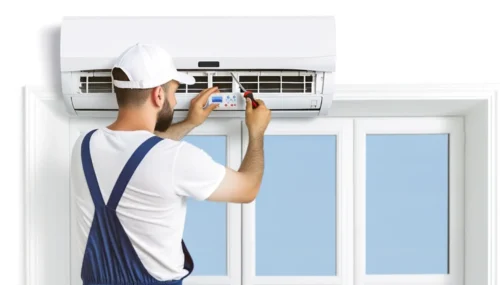
Some sounds are normal. Inverter-driven systems from Daikin and Mitsubishi can make a soft tone at certain speeds. Expansion and contraction clicks can happen at start and stop as metal warms and cools. A single relay click at mode change is ordinary. What is not normal is a repeated clicking start attempt, a squeal that grows louder by the week, a buzz at the disconnect, or a rattle that follows fan speed. If unsure, a quick diagnostic visit is cheaper than a long outage in July.
The Glendale map-pack advantage: fast access, fast fixes
Local map-pack searches reward proximity, relevance, and response. Green Planet’s Glendale base near major corridors means shorter dispatch times to the Glendale Galleria, Alex Theatre, and Brand Park areas. The company’s focus on HVAC repair Glendale and Glendale ac repair aligns with the urgent needs of homeowners and property managers. Reviews mention rapid diagnosis of blown capacitors, frozen evaporator coils, and clogged condensate lines during heat spikes. That shows a pattern Google and clients both value.
Why postponing a noisy AC repair rarely makes sense here
Heat accelerates wear. Dust accelerates restriction. The valley’s thermal load means small faults run under higher stress for longer hours. A contactor that might last a season in a cooler coastal city can fail in weeks on a Glendale roof. A blower motor that squeals under high static will fail sooner when ducts are long and returns are tight in hillside homes. Waiting turns a scheduled Glendale ac repair into an emergency call at 8 pm. That is the worst time to shop for options. It is far better to book a daytime slot when parts are on the truck and the system is still running.
Conversion and next steps
Green Planet Heating and Air fixes strange AC noises before they become major failures. The team services Carrier, Lennox, Trane, Goodman, Rheem, York, American Standard, Daikin, Mitsubishi Electric, Fujitsu, Bosch, and Honeywell Home controls. The company is CSLB licensed and bonded, EPA certified, and Google Guaranteed. It offers 24/7 emergency service and free estimates on new installs. It is locally owned and operated and understands Glendale’s microclimates, from Rossmoyne to the Atwater Village border.
Signals that mean it is time to schedule service now include repetitive clicking with no start, a blower squeal that keeps getting louder, a buzzing disconnect, warm air from vents, rising utility bills, or short cycling during a Glendale heatwave. If any of these match what is happening at home, book a visit today.
Call Green Planet Heating and Air for HVAC repair Glendale and Glendale ac repair. Secure a Seasonal AC Tune-Up Special before peak summer. Restore quiet. Protect the compressor. Keep the home cool across Glendale, CA zip codes 91201 through 91210. A fast diagnosis today prevents a costly outage tomorrow.
https://pub-31b1e45c9e8846c782059568dd0c8d83.r2.dev/glendale/air-conditioner-blows-warm-air.html